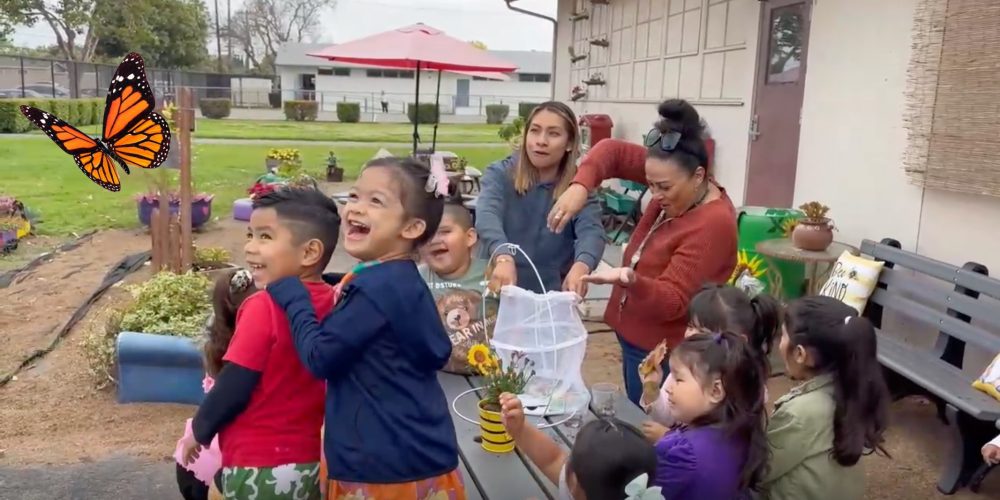
Santa Ana Schools

Butterfly MV PD

Santa Ana Schools Use Students’ Home Cultures to Develop Science Technology and Engineering Curriculum.

The Santa Ana Unified School District (SAUSD) is investing in groundbreaking work by building strong and meaningful partnerships between families and schools to engage students in active science, technology and engineering (STE) learning that builds on children’s home cultures. The district has begun this work with Preschool/TK teachers in their community schools.

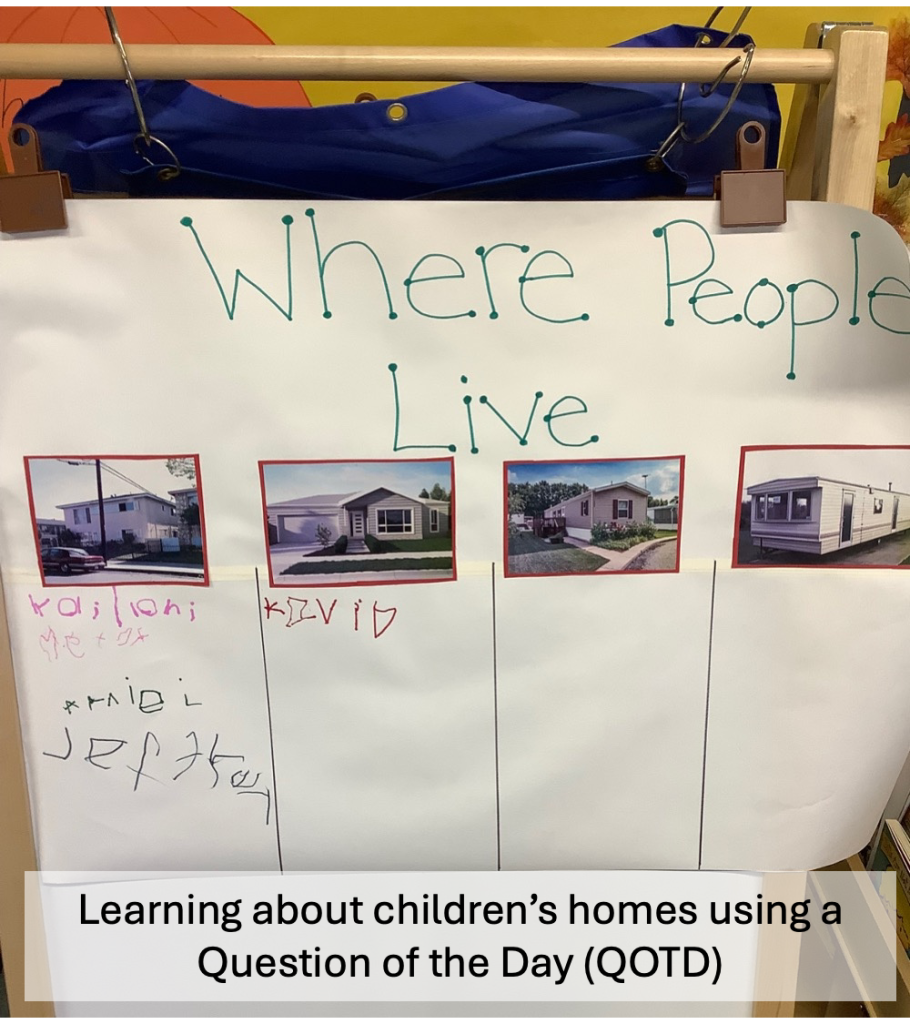
More than 95% of students in SAUSD identify as Hispanic or Latino. Recognizing that there is broad cultural diversity within the Latino community, as well as a small minority of families from Southeast Asia, SAUSD has begun implementing the RISE model for teaching diverse classrooms. A core principle of the RISE model is that children learn best when instruction builds on familiar knowledge gained in everyday home activities and routines. Thus, RISE teachers seek to partner with parents to learn about and integrate knowledge gained by children at home in STE lesson planning.

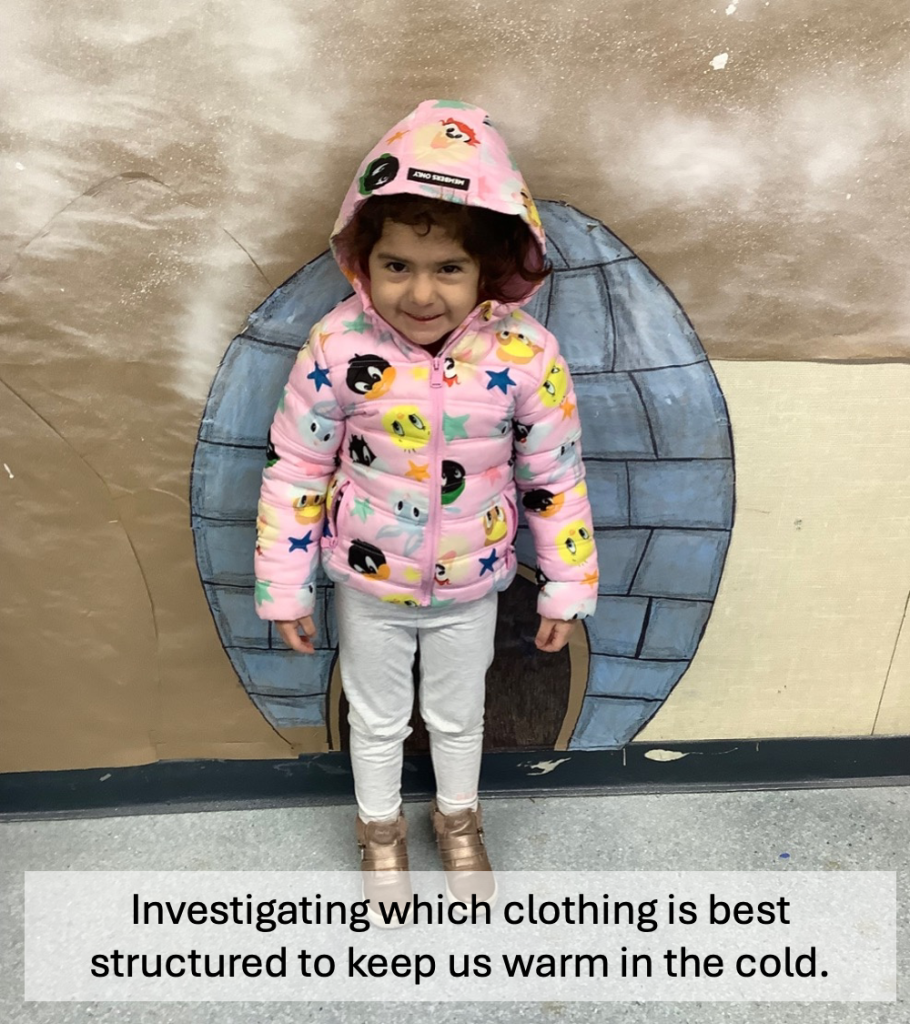
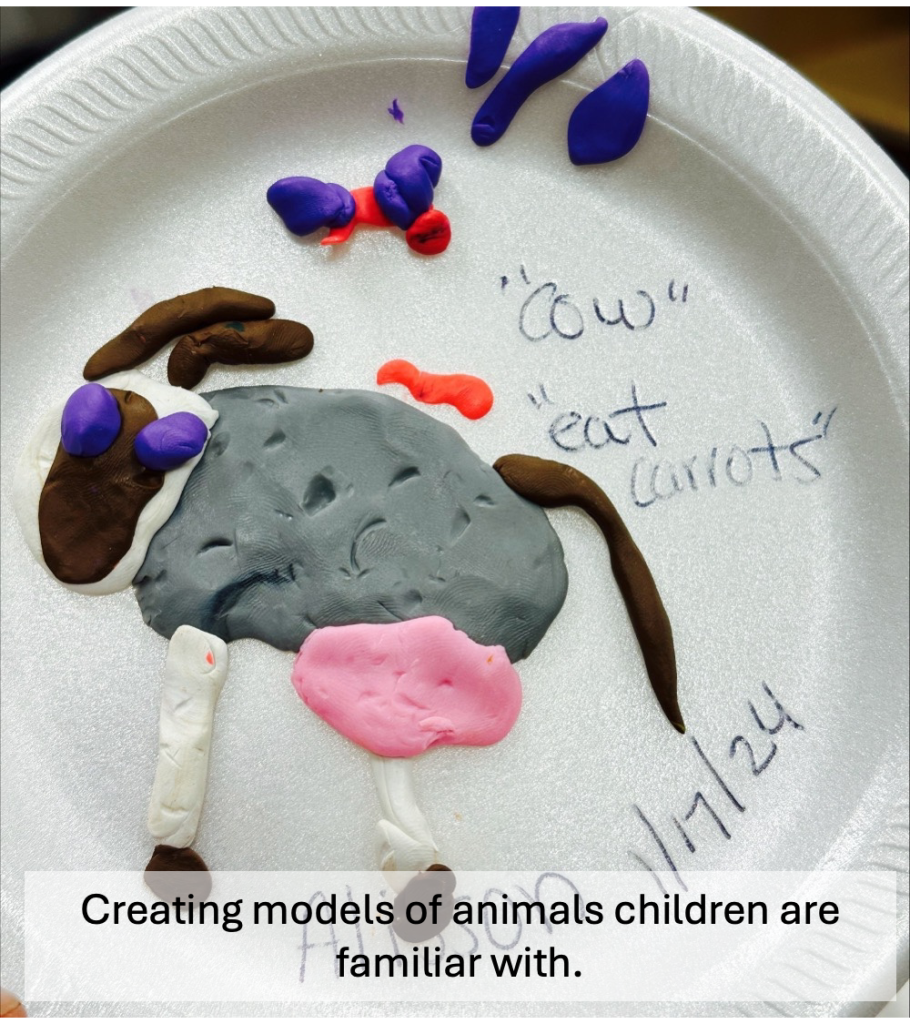
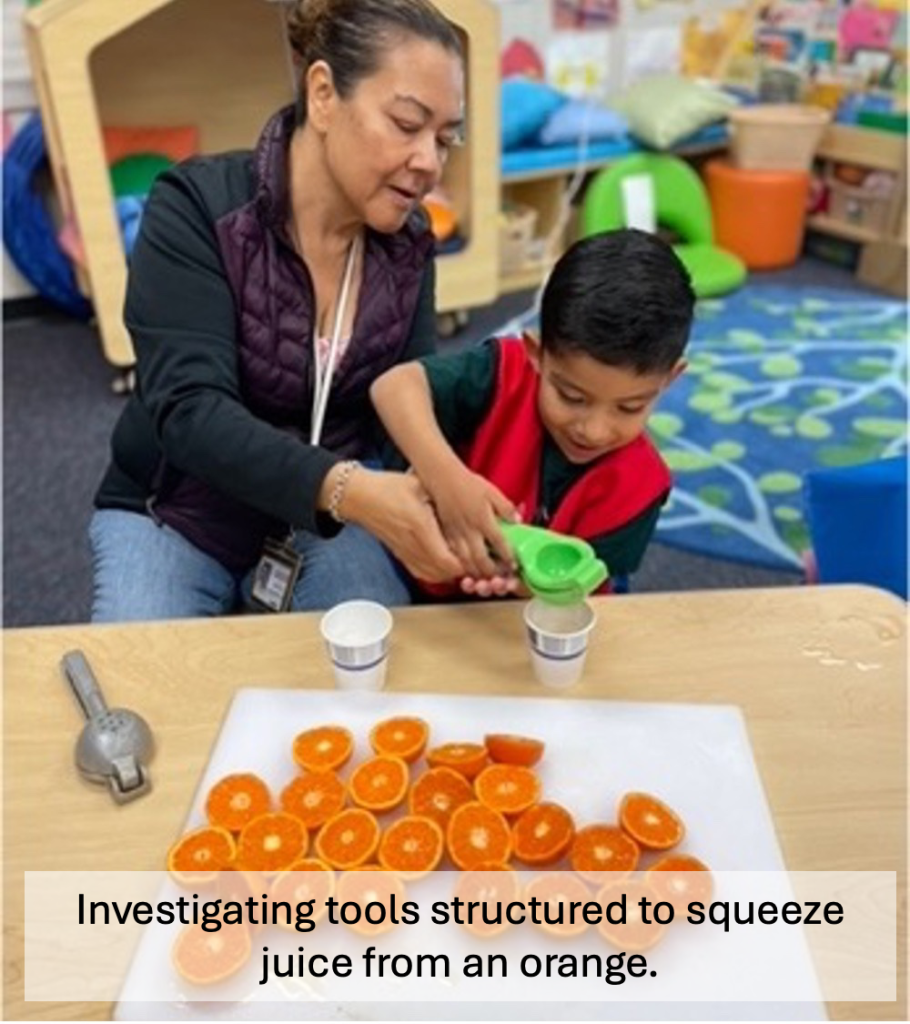
Throughout our first year (SY 2023-2024), SAUSD teachers engaged in 6 professional development days. The PDs aligned with work that they were already doing with their children across the year and are guided by the The California Preschool/Transitional Kindergarten Learning Foundations (PTKLF). Throughout the year, we modeled ways to learn about families’ funds of knowledge and integrate them into quality hands-on science, technology, and engineering (STE) experiences in the classroom. Followed by bi-monthly coaching sessions, teachers were supported in designing their own experiences using the RISE model. The results were culturally responsive STE lessons that integrated children’s daily home activities and routines in their classroom learning.

This project has expanded once again for the SY 2024-2025, with 8 preschool classrooms and 2 TK classrooms joining cohort 2.

Cohort 1:  Washington, Pío Pico, Monte Vista, Garfield

Cohort 2:  Pío Pico TK, Garfield TK, Davis, Diamond, Heroes, Madison, Adams, Carver, Edison

CLICK HERE to download an information sheet about RISE in SAUSD.
“We were having communication but mainly about the progress of their children in the classroom, conferences, open houses. There was hardly anything about what they did at home together… Now they brought their culture, their family style, they brought into the classroom through all of the work they did at home and they shared this with us.” -Miriam – Garfield

“Thank you to the RISE team for helping me grow in this project. As I come to each training, I notice I learn so much about the science surrounding me. Thank you for supporting us and guiding us. I really enjoy these trainings.”-Yessenia – Garfield

“We didn’t have to recreate anything. It was what we were already doing, then enhancing, and then bringing in the families as well, and building those bridges” -Victoria  – Washington

Home-to-School Integrated Approach

Bringing children’s home cultures into the classroom is an intentional process that requires some advance planning by teachers. There are a variety of direct and indirect ways to access families’ funds of knowledge, both direct and indirect. Click here to view the Home-to-School framework used to guide teachers, as well as many examples of SAUSD teachers accessing and integrating families’ funds of knowledge into classroom experiences.

Connect-Deepen-Extend

“In the RISE project, the shift is in how to engage families to build a culturally inclusive STE curriculum.” The RISE approach invites teachers to adopt “at least two mantras to make this shift: “Learning builds on familiar knowledge” and “Culture is what we do every day.” The former reflects a common early childhood principle: children connect new learning to their existing knowledge base.  The latter recognizes that culture is embedded in all that we do; families’ and children’s everyday activities are cultural in nature. Therefore, RISE teachers consider different ways to engage with families so that their curriculum builds on the everyday knowledge, expertise, and resources that families have and are eager to share” thus connecting, deepening and extending children’s learning.  (McWayne et al., 2020).

In the videos below, you will see rich examples of SAUSD teachers connecting families’ funds of knowledge into their classroom experiences and also providing opportunities to deepen and extend children’s understanding of specific crosscutting concepts from the early learning framework.

Family Funds of Knowledge:

Immigrant parents’ knowledge of the local environment and community and the expertise families have developed in their everyday home, work, social, and political lives.

Moll et al., (2005)

La versión en español viene pronto

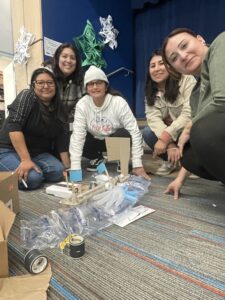
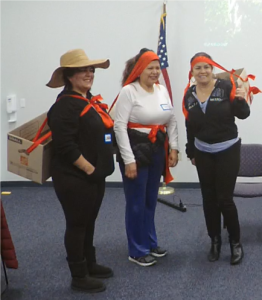
Engaging experiences during PDs reinforced the importance of hands-on learning for children, seeing opportunities for science all around us, and embracing funds of knowledge to support meaningful and relevant curriculum. Left: teachers engineering a stable bridge that would stretch over a “river”. Center: teachers investigating ways to make water move up. Right: teachers designing models of a traditional Mexican farm tool used to pick corn. Models were then tested for strength and stability.

A Collaborative Approach

IMG_2423
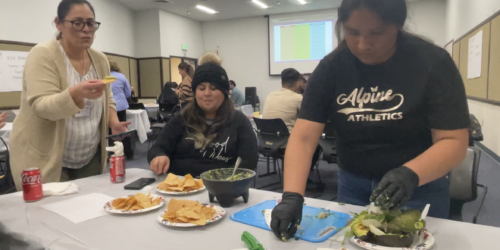
Parents from Cohort 1 classrooms shared how they prepared guacamole at home. Everyone was surprised about how eight recipes could be so unique and taste so good. This experience reminds us all that families have a wide range of knowledge that can serve to build science experiences in our classrooms. By tapping into family funds of knowledge, curriculum reflects more of children’s lived experiences and expands learning by making it more exciting and engaging.

Implementing the RISE model reaches beyond the teachers and requires support at all levels of the school system including principals, community school coordinators, Family and Community Engagement (FACE) liaisons, and various program directors. In addition, in collaboration with the Santa Ana Early Learning Initiative (SAELI), we are connecting with families in the early childhood classrooms, where we are learning about their daily practices and routines, and strengthening relationships between home and school. This collaborative approach where teachers and families co-construct STE curriculum promises to make RISE a sustainable model at SAUSD, evolving with and adapting to the unique needs and strengths of the district over time.